
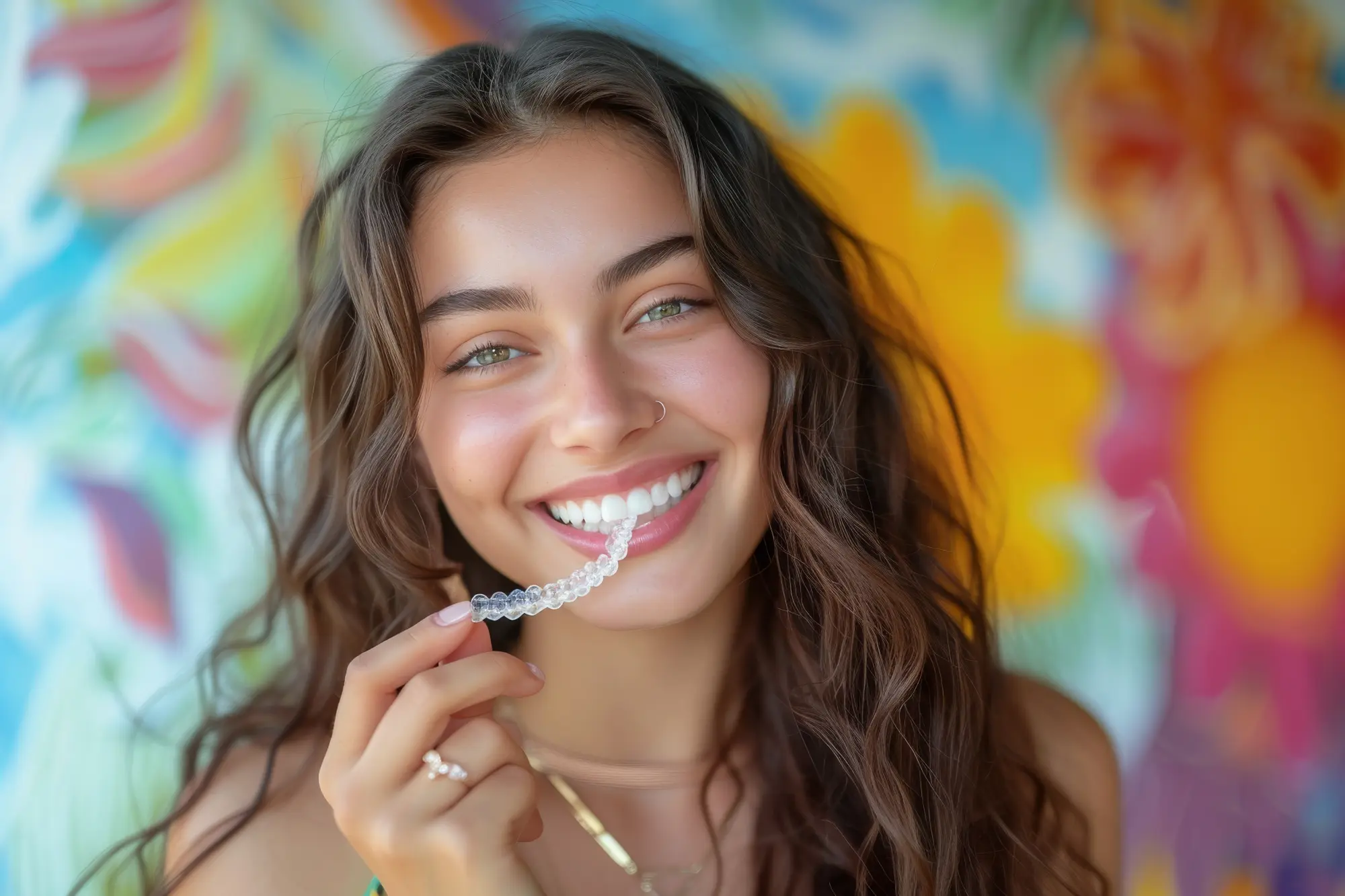
Am I a Candidate for Invisalign?
With Dr. Scott Oh – Peninsula Center of Cosmetic Dentistry, Los Altos, CA
One of the most common questions patients ask is:
“Am I a candidate for Invisalign?”
According to Dr. Scott Oh of Peninsula Center of Cosmetic Dentistry in Los Altos, CA, the better question might be: “Why wouldn’t you be?”
While Invisalign does have limitations, it is an incredibly powerful and versatile tool for improving both the appearance and health of your smile. And contrary to popular belief, it’s not just for simple cosmetic cases.
Let’s break down what makes someone a good candidate—and why Invisalign may be more transformative than you think.
First, Let’s Address the Biggest Misconception
Many people believe Invisalign is:
- Uncomfortable
- Difficult to maintain
- Only for minor alignment issues
- Just for vanity
Dr. Oh sees this misconception regularly.
Having worn traditional braces himself for five years as a child, he understands the orthodontic journey firsthand. He often explains that while braces can be effective, they come with wires, brackets, tightening appointments, and visible hardware.
Invisalign, by comparison, uses clear trays that gradually shift teeth into position.
And here’s the truth:
If you wear your aligners as instructed, they quickly become part of your daily routine. Just like putting on shoes or brushing your teeth, it becomes automatic. In fact, many patients report that when their trays aren’t in, something feels “off.”
Once treatment is complete, the attachments are removed, the trays are gone—and you’re simply left with a healthier, better-aligned smile.
Invisalign Is About More Than Appearance
Yes, Invisalign improves your smile.
But alignment isn’t just cosmetic—it’s functional.
When teeth are properly aligned:
- They distribute biting forces more evenly
- Chewing becomes more efficient
- Teeth experience less trauma
- Cleaning becomes easier
- Gum health improves
- Plaque buildup decreases
- Inflammation is reduced
Your mouth is the entry point to your body. Reducing chronic inflammation and improving oral health contributes to overall systemic health—especially as we age.
Dr. Oh emphasizes that Invisalign isn’t just about looking better in photos. It’s about building a healthier foundation for the long term.
Who Is a Good Candidate for Invisalign?
You may be a candidate if you have:
- Crowded teeth
- Spacing between teeth
- Bite issues (overbite, underbite, crossbite)
- Teeth that don’t touch properly in the back
- Minor relapse after past braces
- Tongue thrust–related spacing
- Functional wear or chipping
Many patients assume Invisalign only works for “home run” easy cases. While it does have boundaries, today’s technology allows for impressive and predictable tooth movement in a wide range of situations.
In fact, many adult professionals choose Invisalign because it allows them to straighten their teeth discreetly—without the visible wires and brackets of traditional braces.
Invisalign vs. Traditional Braces
Both Invisalign and traditional braces aim to achieve the same end result:
- Better alignment
- Improved function
- Healthier gums and teeth
- A more confident smile
The difference often comes down to lifestyle and preference.
Invisalign may be ideal if you:
- Want a discreet solution
- Speak publicly or work in a forward-facing role
- Prefer removable aligners
- Want fewer lifestyle interruptions
Traditional braces may be considered if:
- You don’t want to worry about compliance
- You prefer fixed appliances
- Your case requires specific movements better suited for brackets
Dr. Oh tailors recommendations based on the patient’s goals, lifestyle, and clinical needs.
“Am I Too Old for Invisalign?”
One of the most common things Dr. Oh hears is:
“I’m already married.”
“I’m too old.”
“It’s too late.”
Age is not a disqualifier.
In fact, alignment can become even more important as we get older. Proper bite alignment reduces uneven wear, helps preserve enamel, and improves long-term dental stability.
Dr. Oh often reminds patients: taking care of your teeth is part of taking care of your body.
Orthodontic treatment at 40, 50, or even 60 can dramatically improve function and confidence.
Real-Life Example: Function Over Vanity
Dr. Oh recently treated a patient who had undergone double jaw surgery as a teenager. Over time, as she continued growing, her bite shifted. By her 30s and 40s:
- Her back teeth no longer touched properly
- She began chipping her front teeth
- She struggled to chew comfortably
Using Invisalign, Dr. Oh repositioned her teeth into a more ideal alignment. This allowed for very conservative restorative work afterward—minimal-prep overlays in the back and conservative rebuilding of worn front teeth.
The result wasn’t just cosmetic.
She came back and said, “I went out to eat with my friends for the first time in a long time—and I didn’t have to worry about chewing.”
That’s not vanity. That’s quality of life.
What About Comfort?
Compared to traditional braces that are tightened periodically and can cause significant soreness, Invisalign works gradually.
Patients often describe the trays as:
- Feeling snug at first
- Slightly tight for a day or two
- Then comfortable as teeth adapt
Because movement happens incrementally, discomfort is typically mild and manageable.
The Real Question: Are You Willing to Commit?
Invisalign works—but only if you wear the aligners as directed.
They must be worn consistently to:
- Achieve predictable results
- Stay on schedule
- Reach your final smile goals
If you’re motivated and committed, Invisalign can be an excellent option.
Loving Your Smile Means Loving Your Health
Dr. Scott Oh believes that taking care of your smile is part of loving and respecting your body.
Better alignment means:
- Better chewing
- Better cleaning
- Better long-term stability
- Better overall health
If you’ve been wondering whether you’re a candidate for Invisalign, the best first step is a consultation.
You may be surprised to learn that not only are you a candidate—but that improving your alignment could enhance both your health and your confidence in ways you hadn’t considered.
And unlike years of traditional braces, Invisalign allows you to transform your smile discreetly—without the “ugly duckling” phase.
A healthier, more confident smile may be closer than you think.
