
Best practices for healthy teeth in Los Altos: what we say about electric toothbrushes and daily care
You brush, you floss, you show up for your cleanings, and yet your dentist still finds a cavity or some gum inflammation at the next visit. It's frustrating. If you're also wondering whether upgrading your toothbrush could improve your oral care routine, this post covers what we tell patients about electric toothbrushes and the best practices for healthy teeth. You can reach us at (650) 948-5524 if you'd like to talk through your own routine.
Why healthy habits don't always equal a healthy mouth
Think of oral health as a bell curve. Most people land in the middle, and the middle looks like brushing twice a day, flossing at least once a day, and getting your teeth cleaned at least every six months. A smaller group brushes only once a day, rarely flosses, and still seems to do fine.
Then there's a group on the other side of the curve. These are people who do all the right things and still develop cavities or gum disease again and again. Many factors play into decay and gum disease, and genetics are one of them. We can't change the genes you were born with, but we can change the plan around them.
What to do if you're prone to cavities or gum disease
If you're on that side of the curve, the goal is to go above and beyond what's considered normal. That might mean brushing after every meal and flossing as often as you realistically can during the day. If after every meal isn't doable, brushing at least morning and night is the baseline.
There are also mouth rinses, pastes, and other products that help with demineralization (the early stage of decay) and with reducing bacteria in the mouth. The right combination depends on your needs, so we individualize recommendations instead of handing everyone the same list. If you keep running into the same problems at checkups, ask us what additional tools might fit your situation.
Do you really need an electric toothbrush?
This is one of the questions we hear most often, and the honest answer is no. If you brush the right way for long enough, a manual toothbrush works just as well as an electric one. A manual brush is a great tool for people who know how to use it.
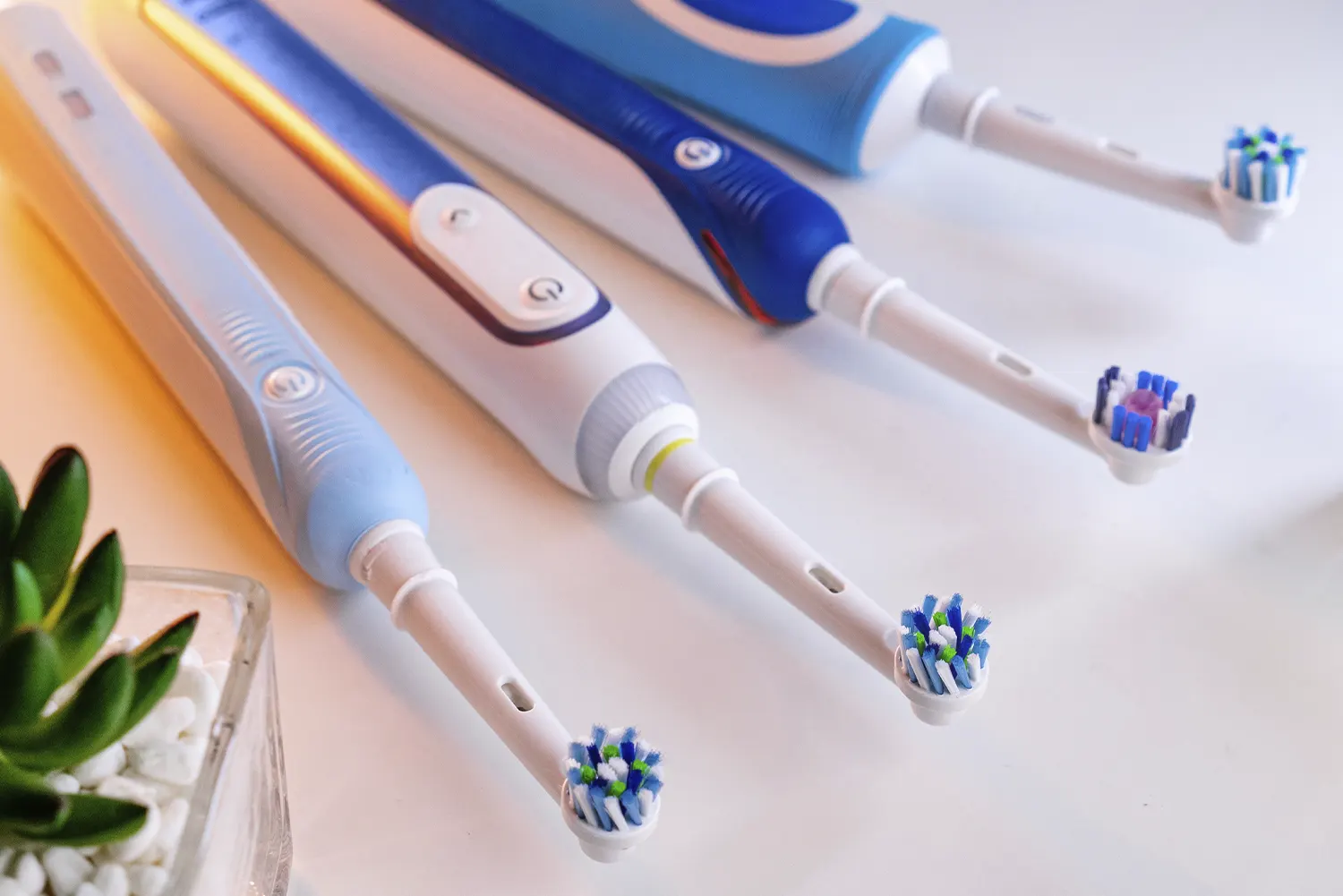
The catch is that most people don't brush the right way, and most don't brush for the full amount of time it takes. That's why we often recommend an electric toothbrush. It helps make up for technique and timing gaps and can raise the quality of your brushing a little, so it fills in where habits tend to fall short.
What makes an electric toothbrush worth using
The feature that matters most is how well the brush head oscillates or vibrates, because that motion helps break up plaque and reach deeper between the teeth. A Sonicare is a popular choice, and it's one of the electric brushes with a lot of research behind it. A Quip is another option some people like for travel, since it's easy to toss in a toiletry bag.
Whichever brush you choose, the best one is the one you'll actually use twice a day for a full two minutes with good technique. If you're not sure how you're doing, ask us to take a look at your brushing at your next visit.
Brushing, flossing, and rinsing: does the order matter?
People ask us all the time whether to brush first or floss first, and where mouth rinse fits. There's still some debate in the research, so treat this as one approach with reasoning behind it instead of a rule. The routine we like starts with a mouth rinse, then brushing, then flossing, then a second rinse.
Here's the thinking behind each step:
- A rinse at the start begins the cleaning process and helps neutralize pH in the mouth.
- Brushing cleans the surfaces of the teeth and delivers fluoride from your toothpaste.
- Flossing after brushing cleans between the teeth and helps work fluoride toothpaste into those tight areas, which supports the fight against demineralization.
- A final rinse clears out any leftover debris.
We're fans of fluoride, and we're happy to talk more about it at your visit. Keep in mind that the best routine is the one tailored to your mouth, so check with your dental team before changing products.
Keeping your toothbrush clean
Rinsing your brush with water after use isn't enough to remove much of the bacteria. A quick, inexpensive fix is to wash the brush head with a little hand soap and then rinse it very well, so you don't taste any soap the next time you brush. That helps remove bacteria and break down organisms sitting on the bristles.
UV sanitizing products are also sold, and they're designed to sit over or around your brush head between uses. They can work well, but they aren't necessary if you're already using hand soap.
Whitening and charcoal toothpastes: what we recommend
We're generally not fans of whitening toothpaste. What's added to these pastes often doesn't do much to whiten teeth, and it can make the paste more abrasive. If you have veneers, skip whitening toothpaste altogether. A standard toothpaste is plenty for daily care. If you want a brighter smile, talk with us about whitening options.
As for charcoal brushes and pastes, we haven't seen data or even anecdotal evidence that supports the claims made about them, so we don't recommend them. What has been tried and true for decades still holds up, and many people find that a quality electric toothbrush is one of the most useful upgrades they can make to their routine.
Take the next step with your oral care
Healthy teeth come down to consistent basics, a routine that fits your risk level, and tools that make good technique easier. If you're doing everything right and still dealing with cavities or gum concerns, we'd love to help you figure out why and build a plan that works for you. Call Peninsula Center of Cosmetic Dentistry at (650) 948-5524 or visit us at 99 3rd St, Los Altos, CA 94022.
