
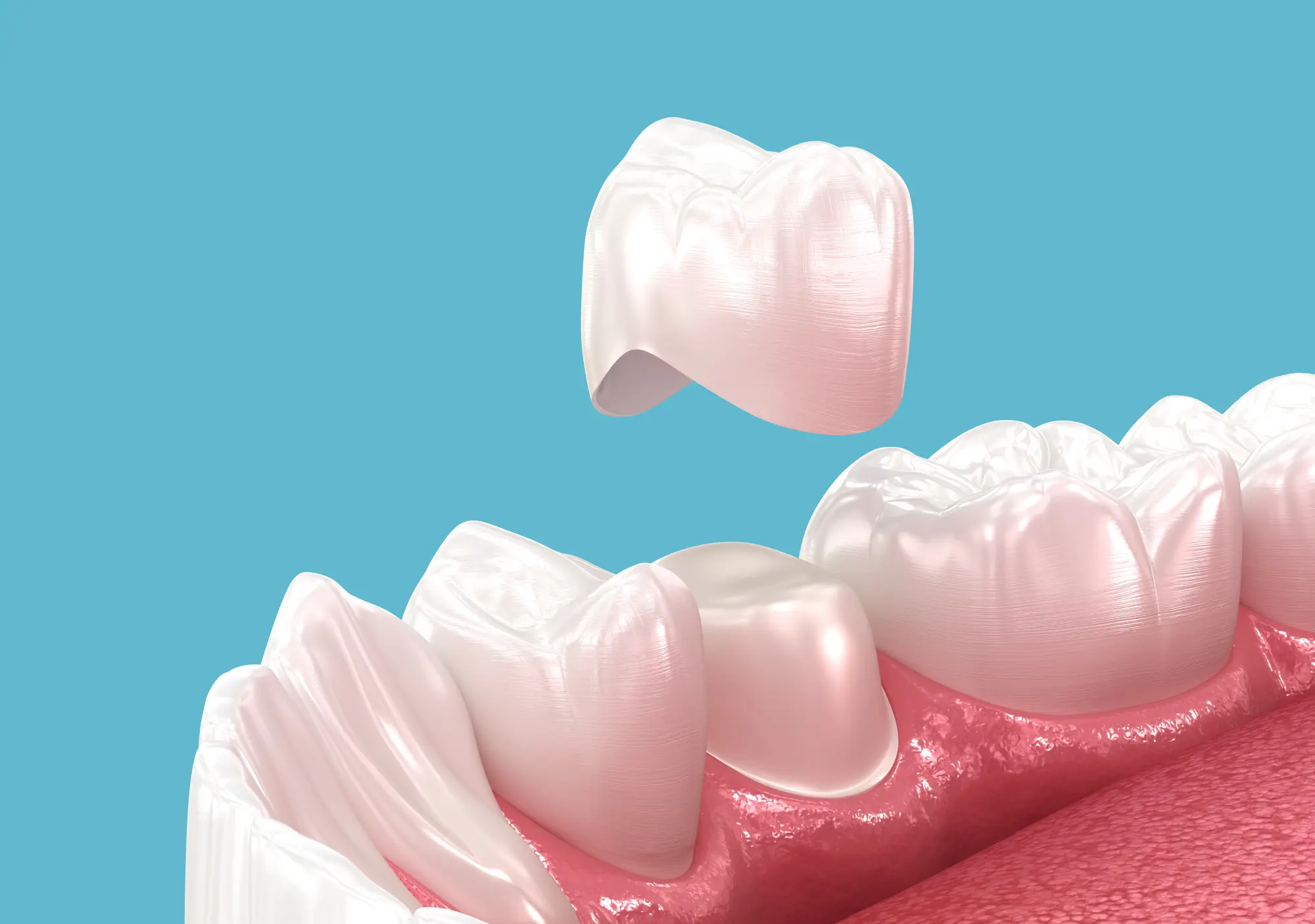
Porcelain Crowns: When Is Full Coverage Necessary?
With Dr. Joseph Field – Peninsula Center of Cosmetic Dentistry, Los Altos, CA
If you’ve been told you need a crown, your first thought might be:
“Can’t we just do a filling?”
According to Dr. Joseph Field of Peninsula Center of Cosmetic Dentistry in Los Altos, CA, when it comes to cracked or structurally compromised teeth, the answer is often no.
In many cases, a filling is simply a short-term patch—while a porcelain crown is the long-term solution.
Let’s break down when full coverage is truly necessary.
Why Fillings Aren’t Always Enough
Fillings are made of composite resin—a durable plastic material. They work well for small cavities or minor repairs.
But when a tooth is cracked, heavily worn, or structurally weakened, fillings have limitations:
- They don’t reinforce the entire tooth
- They flex under pressure
- They can fail under heavy biting forces
- When they break, more natural tooth structure often breaks with them
Dr. Field has seen this pattern repeatedly over nearly two decades in practice:
A tooth gets patched with a filling.
It breaks again.
Even more tooth is lost.
Eventually, the damage becomes more extensive—sometimes leading to a root canal or even tooth loss.
Rather than repeatedly “patching” a compromised tooth, he prefers to fix it once—and fix it properly.
When Is a Crown the Right Choice?
Porcelain crowns (also called full-coverage restorations) are typically recommended when a tooth has:
- A visible crack
- Significant structural breakdown
- Large failing fillings
- Severe wear
- Undergone a root canal
- Fractured cusps
- Weak enamel walls
In these cases, a crown wraps around and reinforces the entire tooth—like a protective helmet.
That full coverage is what gives it strength.
Why Crowns Are Considered the Gold Standard
A crown is often considered the gold standard because it:
- Completely encases and protects the tooth
- Restores strength and structural integrity
- Prevents cracks from spreading
- Distributes biting forces evenly
- Reduces the risk of future fracture
When done correctly, a crown can create a stronger situation than what existed before the tooth was damaged.
The goal is longevity—restorations that last years, not months.
What About Onlays?
There are cases where full coverage may not be necessary.
If:
- Most of the tooth structure is intact
- There are no major cracks
- The remaining enamel is strong
An onlay (partial coverage ceramic restoration) may be appropriate.
Onlays require less tooth reduction while still reinforcing the biting surface.
At Peninsula Center of Cosmetic Dentistry, Dr. Field evaluates each case individually to determine whether an onlay or crown is the better long-term solution.
Shouldn’t Modern Crowns Be Seamless?
Absolutely.
A properly designed porcelain crown should:
- Fit precisely
- Blend seamlessly with neighboring teeth
- Match color and translucency
- Look completely natural
Achieving this requires two critical components:
1) Precision Fit
The preparation design, digital scans, and records must be exact. Proper margin design and bite alignment are essential for durability and comfort.
2) Artistic Craftsmanship
Natural teeth have subtle details—translucency, surface texture, and light reflection. Replicating those nuances in ceramic requires artistry.
Dr. Field works closely with his in-house lab team, collaborating side-by-side on complex cases. This allows for precise control over shade matching, layering, and contouring—especially in cosmetic or multi-tooth restorations.
Modern CAD/CAM technology is powerful, but artistry still matters.
Same-Day vs. Two-Visit Crowns
At Peninsula Center of Cosmetic Dentistry, crowns can be completed in two primary ways:
Same-Day CAD/CAM Crowns
- Digitally designed
- Milled in-office
- Fired and placed in a single visit
- Ideal for many single-tooth cases
Lab-Fabricated Crowns
- Used for more complex or multi-tooth cases
- Temporary placed first
- Final ceramic installed in a second visit
- Allows for additional artistic customization
Both approaches are effective. The choice depends on the clinical situation and the level of detail required.
The Bigger Picture: Preventing Bigger Problems
One of the main reasons Dr. Field recommends crowns for cracked teeth is prevention.
A cracked tooth that isn’t properly reinforced can lead to:
- Worsening fractures
- Nerve involvement
- Root canal treatment
- Tooth loss
Addressing structural weakness early with full coverage often prevents more invasive treatment later.
Schedule Your Consultation at Peninsula Center of Cosmetic Dentistry in Los Altos
If you’ve been told you need a crown, it’s usually because the tooth has reached a point where simple repairs won’t provide long-term stability.
At Peninsula Center of Cosmetic Dentistry in Los Altos, CA, Dr. Joseph Field focuses on:
- Long-term solutions
- Structural reinforcement
- Functional stability
- Natural aesthetics
- Customized treatment planning
When full coverage is necessary, a well-designed porcelain crown doesn’t just fix a tooth—it restores strength, protects your investment, and helps ensure that the problem doesn’t come back.
Sometimes, doing it once—and doing it right—is the best option.
